Mountain Weather: Understanding and Preparing for Rapid Changes
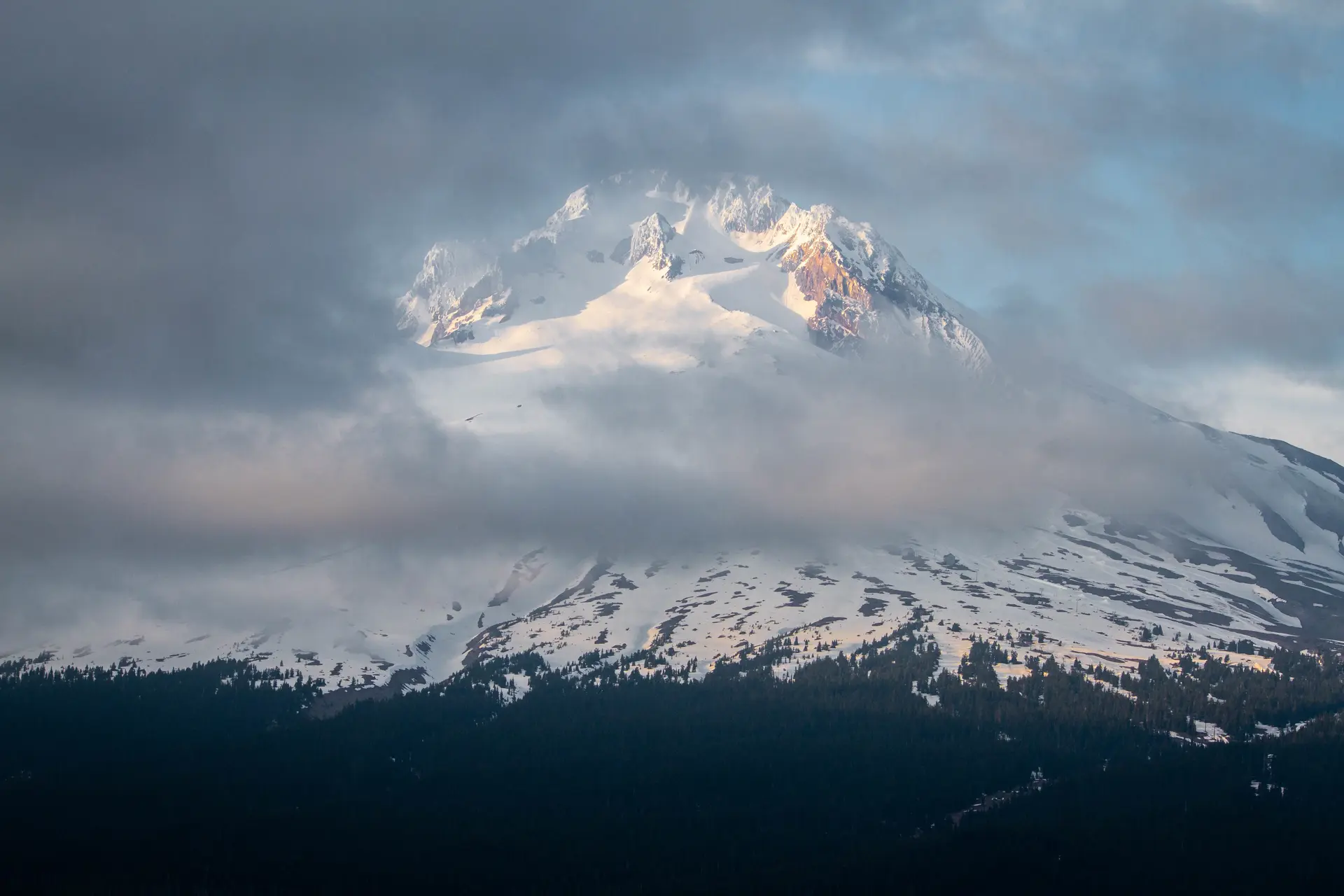
Mountain weather is notoriously changeable and can transform from clear skies to dangerous conditions with surprising speed. Understanding basic meteorology and recognizing warning signs can help hikers make informed decisions and avoid potentially life-threatening situations.
Mountains create their own weather through orographic lift—the process where air is forced upward by terrain, cooling as it rises and potentially forming clouds and precipitation. This means conditions can vary dramatically between valleys and peaks, or between windward and leeward sides of a mountain. Local effects like valley winds, which typically blow upslope during the day and downslope at night, can further complicate forecasting.
Thunderstorms represent one of the most immediate dangers in mountain environments, particularly during summer afternoons. Warning signs include building cumulus clouds, increasing winds, and distant thunder. If caught in a thunderstorm above treeline, descend immediately. If that's not possible, avoid isolated trees, ridgelines, and metal objects. The lightning position—crouching on insulating material with feet together—should be used only as a last resort.
Cold weather hazards include hypothermia, which can occur even in temperatures well above freezing if combined with wind, rain, and exhaustion. Early symptoms include shivering, confusion, and loss of coordination. Prevention through proper layering, staying dry, and adequate caloric intake is essential. In winter conditions, avalanche awareness becomes critical, requiring specialized training and equipment.
Weather preparation begins before your hike with thorough research. Check specialized mountain forecasts rather than general weather reports. Plan conservatively, with turnaround times that allow for changing conditions. Pack the appropriate gear for both expected and unexpected weather, including waterproof layers, extra insulation, and emergency shelter. Finally, develop the judgment to know when to turn back—the mountain will still be there another day.