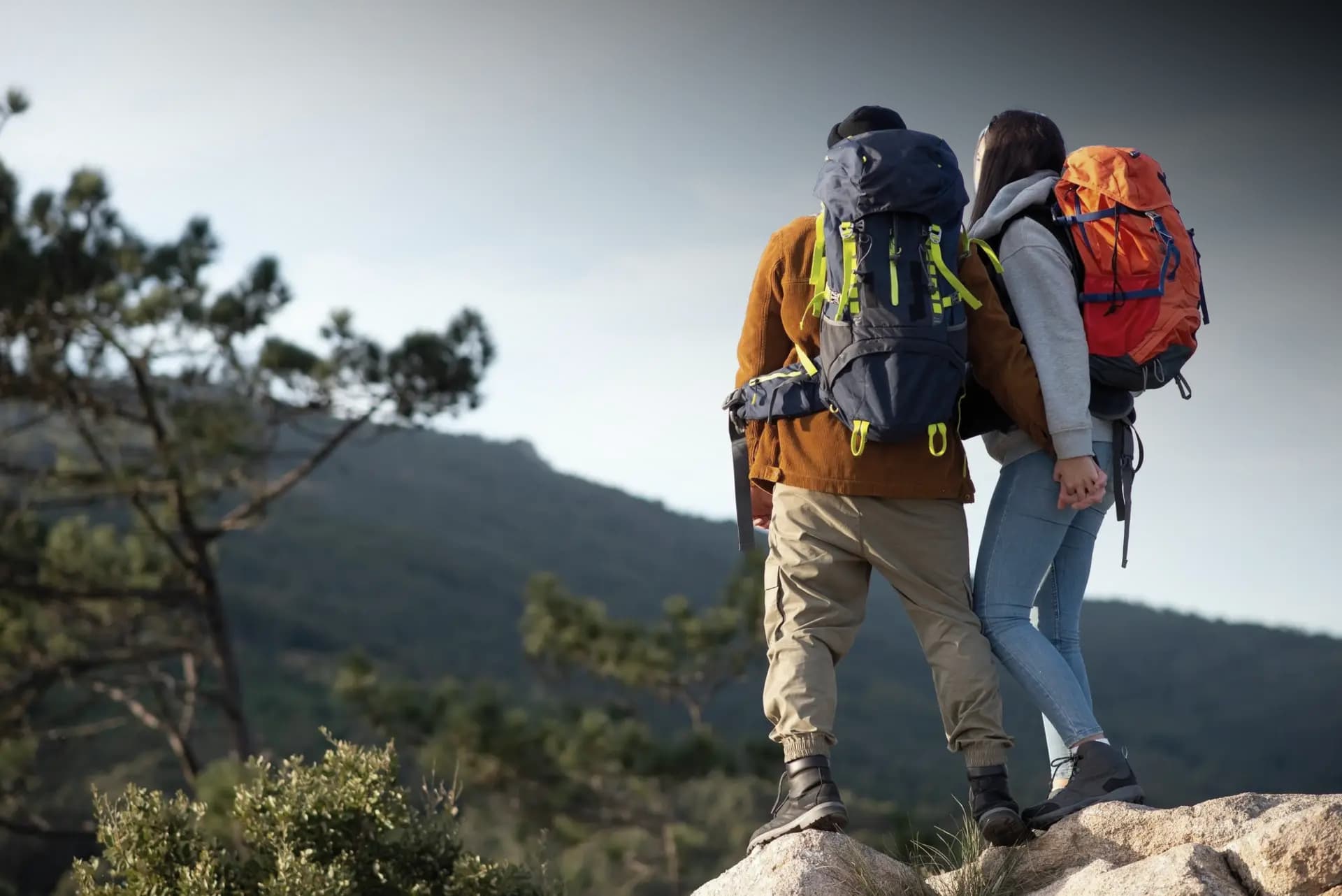
Mountain Wildlife: Respectful Encounters on the Trail
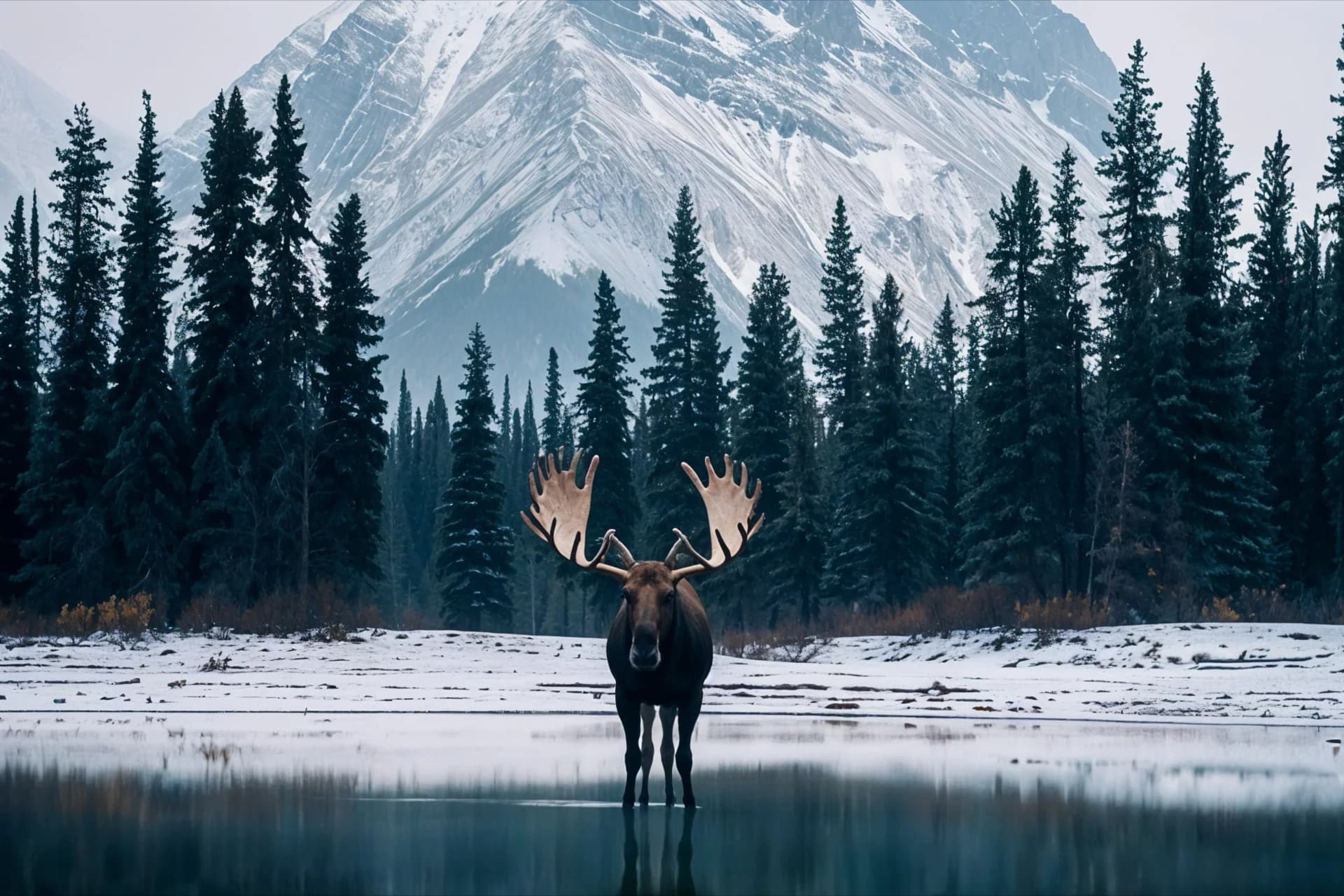
Mountain ecosystems support diverse wildlife communities that have adapted to challenging conditions. Encountering these animals in their natural habitat can be one of the most rewarding aspects of hiking. However, these interactions require knowledge, preparation, and respect to ensure safety for both humans and wildlife.
Large mammals like bears, moose, and mountain lions command the most attention—and caution. When hiking in areas where these animals are present, make noise to avoid surprising them, especially in dense vegetation or near water sources. Carry bear spray in bear country and know how to use it. If you encounter a large predator, never run. Instead, make yourself look big, speak in a calm, firm voice, and slowly back away while maintaining eye contact.
Mountain ungulates such as bighorn sheep, mountain goats, and elk are often more visible and may seem approachable. However, maintain a distance of at least 100 feet (30 meters). These animals can be dangerous when threatened, particularly during mating season or when protecting young. Use binoculars or a camera zoom to observe details without approaching. If an animal changes its behavior due to your presence, you're too close.
Alpine specialists like marmots, pikas, and ptarmigan have fascinating adaptations to high-elevation environments. These smaller creatures may seem less threatening, but human disturbance can cause them to expend precious energy or abandon feeding areas. Observe quietly from a distance, stay on established trails, and never offer food. Human food can lead to dependency, nutritional problems, and dangerous habituation.
Responsible wildlife viewing includes understanding that you're a visitor in their home. Avoid approaching dens, nests, or bedding areas. Dawn and dusk offer the best viewing opportunities for many species. Keep dogs leashed where allowed and prohibited where required. Finally, practice proper food storage—using bear canisters or hanging methods—to prevent wildlife from accessing human food, which can lead to dangerous encounters and ultimately harm the animals.